Introduction: Why Intermittent Fasting for Fat Loss Feels So Hard
Intermittent fasting for fat loss is one of the most effective and simple strategies. Fat loss is one of the most misunderstood goals in health and fitness. On the surface, it seems simple to eat less and move more, but when people actually try to apply this in real life, they quickly realize how difficult it becomes.
You might start with strong motivation. You clean up your diet, cut down on junk food, and maybe even start exercising. But after a few days or weeks, things begin to fall apart. Hunger increases, cravings become harder to control, and eventually, consistency breaks.
Intermittent fasting for fat loss works by reducing insulin levels.
This isn’t because you lack discipline. It’s because most fat loss strategies are overly complicated.
You’re told to:
- Count every calorie
- Avoid carbs
- Eat six meals a day
- Never skip breakfast
- Follow strict meal timing
All of this creates mental overload. And when something is hard to follow consistently, it eventually fails.
This is precisely why intermittent fasting for weight loss has gained popularity in recent years. It removes unnecessary complexity and replaces it with a simple structure.
Instead of focusing on dozens of food rules, intermittent fasting simplifies the process into one key idea:
Control when you eat, and your body will naturally regulate how much you eat.
That doesn’t mean it’s effortless or magical. But it does mean it’s easier to follow, and in fat loss, consistency is everything.
What is Intermittent Fasting for Fat Loss?
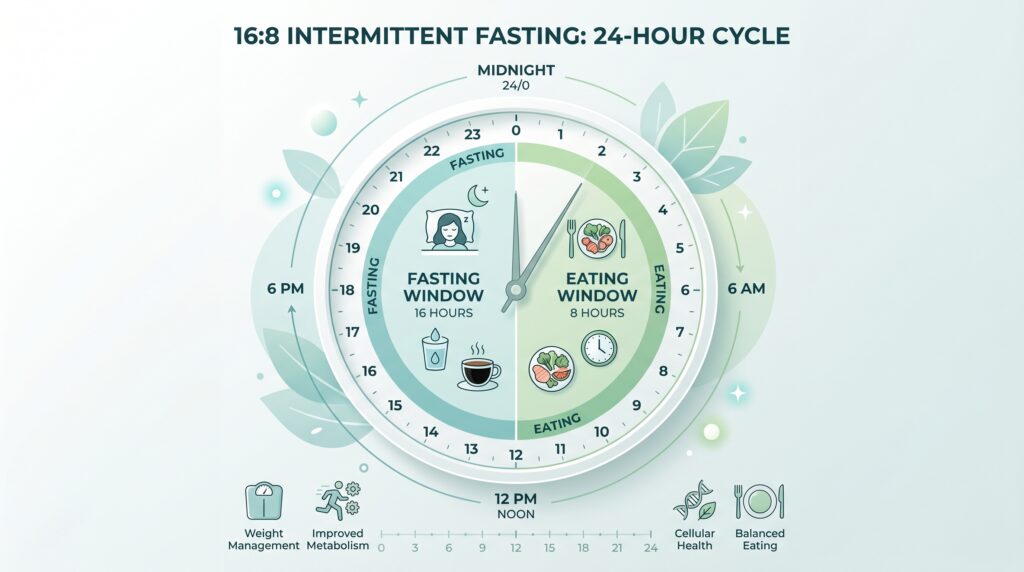
Intermittent fasting (IF) is not a diet in the traditional sense. It doesn’t tell you which foods are allowed or forbidden. Instead, it focuses on timing your meals.
It’s an eating pattern where you alternate between:
- Periods of eating
- Periods of fasting
During the fasting window, you consume little to no calories. During the eating window, you eat your meals as usual.
The idea behind intermittent fasting for fat loss is straightforward: by limiting your eating window, you naturally reduce your calorie intake, allowing your body to access stored fat for energy.
Why It Feels Easier Than Dieting
Most diets fail because they rely on constant decision-making. Every meal becomes a challenge.
Intermittent fasting removes many of those decisions.
You don’t have to think:
- “Should I eat now?”
- “Is this snack allowed?”
Because the structure is already defined.
This mental simplicity is one of the biggest reasons people succeed with intermittent fasting.
Many people use intermittent fasting for fat loss because it is simple and sustainable.
Key Concepts
- Fasting window: No calorie intake
- Eating window: Meals are consumed
- Consistency matters more than perfection
- Food quality still matters
The Science Behind Intermittent Fasting for Fat Loss
To understand why intermittent fasting works, you need to understand how your body stores and uses energy.
Your body operates on two main fuel sources:
- Glucose (from food)
- Stored fat
When you eat regularly throughout the day, your body constantly uses glucose. Insulin levels remain elevated, which prevents fat from being used efficiently.
When you stop eating for a prolonged period, your body undergoes a metabolic shift.
The Role of Insulin
Insulin is a hormone that helps store energy. When insulin levels are high, your body is in “storage mode,” meaning it’s more likely to store fat rather than burn it.
During fasting:
- Insulin levels drop
- Fat becomes accessible as fuel
This is one of the main reasons intermittent fasting supports fat loss.
Metabolic Switching
After several hours without food, your body switches from burning glucose to burning fat. This is called metabolic switching.
This transition doesn’t happen instantly—it takes time.
Typically:
- 8–12 hours: Glycogen depletion begins
- 12–16 hours: Fat burning increases
- 16+ hours: Fat becomes the primary fuel source
Hormonal Benefits
Intermittent fasting also affects key hormones:
- Growth hormone increases → helps preserve muscle
- Insulin decreases → improves fat burning
- Norepinephrine increases → boosts metabolism
These changes create an environment that supports fat loss without requiring extreme dieting.
Calorie Deficit Still Matters
One important truth:
Intermittent fasting doesn’t break the laws of physics.
If you eat more calories than your body needs—even within a short eating window—you will not lose fat.
Intermittent fasting simply makes it easier to maintain a calorie deficit.
Popular Intermittent Fasting Methods
There are several ways to practice intermittent fasting. The best method is the one you can follow consistently.
1. 16:8 Method (Most Popular)
This method involves:
- 16 hours of fasting
- 8 hours of eating
Example:
Eating from 12 PM to 8 PM
This is the most widely used approach because it fits easily into daily routines.
2. 5:2 Method
In this approach:
- You eat normally for five days
- On two days, you restrict calories (500–600)
This method works well for people who don’t want daily fasting.
3. OMAD (One Meal a Day)
This is an extreme version where:
- You eat only once per day
- Fast for 23 hours
While it can produce fast results, it’s difficult to sustain and not recommended for beginners.
Comparison Table
| Method | Difficulty | Sustainability | Best For |
|---|---|---|---|
| 16:8 | Easy | High | Beginners |
| 5:2 | Moderate | Medium | Flexible schedules |
| OMAD | Hard | Low | Advanced users |
How to Start Intermittent Fasting
Most beginners fail because they try to do too much too quickly.
They jump straight into 16–18-hour fasts, which leads to fatigue and frustration.
A Smarter Approach
Start gradually.
Week 1:
- 12-hour fasting
Week 2:
- 14-hour fasting
Week 3:
- 16-hour fasting
This allows your body to adapt naturally.
Practical Tips
- Drink plenty of water
- Stay busy during fasting hours
- Avoid high-sugar foods
- Break your fast with balanced meals
What to Eat During Eating Windows in Intermittent Fasting for Fat Loss
Even though intermittent fasting focuses on timing, food quality still matters.
If your goal is fat loss, your diet should support it.
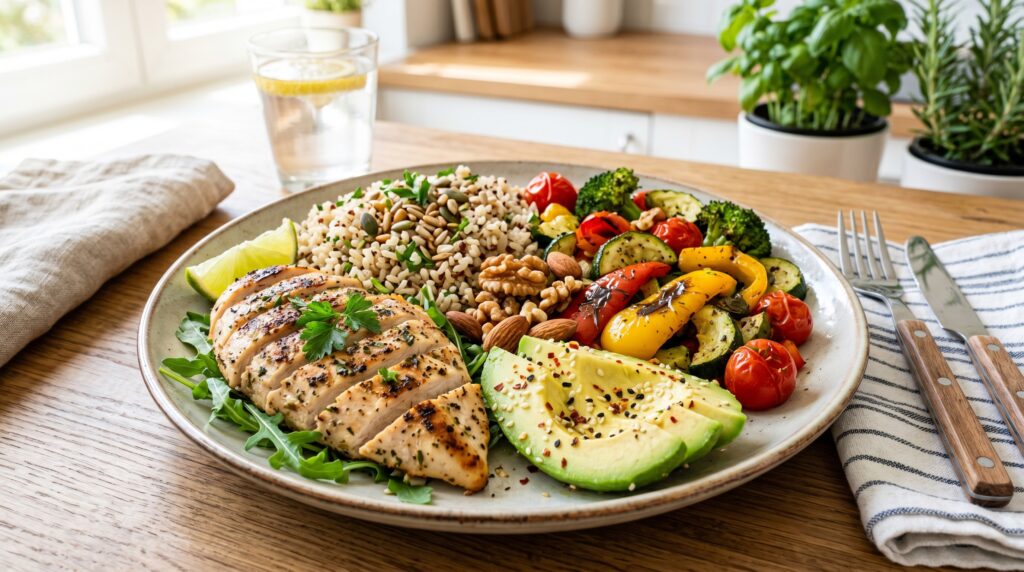
Build Balanced Meals
Each meal should include:
- Protein
- Healthy fats
- Complex carbohydrates
- Fiber
Why Protein is Important
Protein helps:
- Preserve muscle
- Increase fullness
- Reduce cravings
Foods to Prioritize
- Chicken, fish, eggs
- Vegetables
- Whole grains
- Nuts and seeds
Foods to Limit
- Processed snacks
- Sugary beverages
- Excess fast food
Exercise and Intermittent Fasting for Fat Loss
Exercise enhances the effects of intermittent fasting.
It helps:
- Burn more calories
- Preserve muscle
- Improve metabolism
Best Types of Exercise
- Strength training
- Cardio
- Walking

Fasted vs Fed Training
Fasted workouts may increase fat usage, but overall results depend on consistency.
Choose what fits your routine.
Lifestyle Factors: Sleep & Stress
Fat loss isn’t just about diet and exercise.
Sleep
Poor sleep:
- Increases hunger hormones
- Reduces willpower
- Slows fat loss
Stress
Chronic stress:
- Raises cortisol
- Promotes fat storage
Improve Both
- Maintain a regular sleep schedule
- Practice stress management
- Stay physically active
Common Mistakes to Avoid
- Overeating during the eating window
- Not drinking enough water
- Ignoring protein
- Expecting quick results
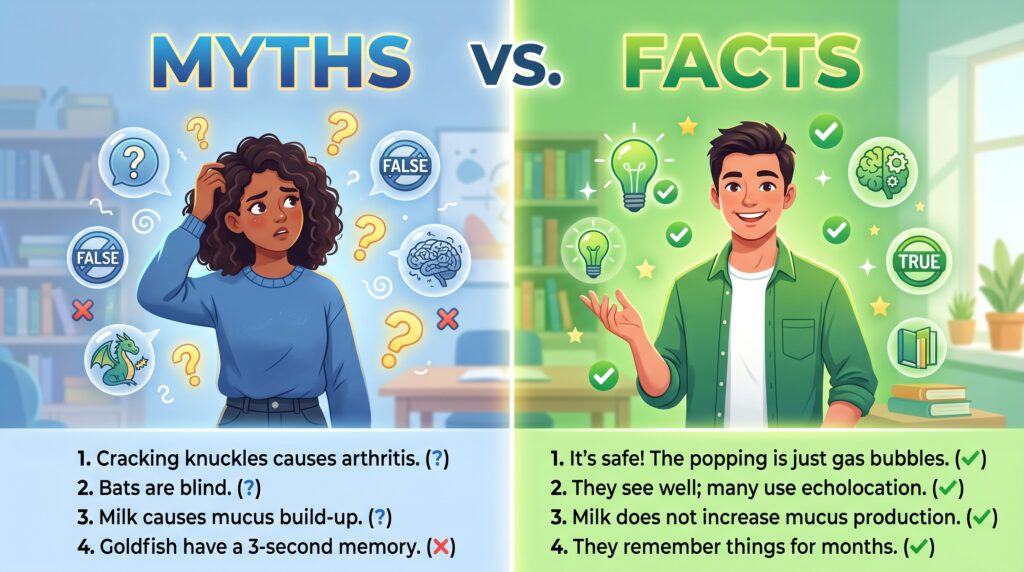
Myths vs Facts
Myths
- Intermittent fasting slows metabolism
- You will lose muscle
Facts
- It can improve metabolic health
- Muscle loss is preventable
Weekly Intermittent Fasting Plan
Week 1–2:
- 12–14 hour fasting
Week 3–4:
- 16:8 method
Week 5+:
- Maintain or adjust
Real-Life Fat Loss Example
Imagine someone who constantly snacks throughout the day.
After switching to intermittent fasting:
- Snacking reduced
- Calories decreased
- Routine improved
After 3–4 months:
- Noticeable fat loss
- Better energy levels
- Improved discipline
FAQs
1. Is intermittent fasting safe?
Yes, intermittent fasting is safe for most healthy adults when done correctly. However, people with medical conditions or pregnant women should consult a doctor first.
2. How long does it take to see fat loss results?
Most people start noticing results within 2–4 weeks. Consistency, diet quality, and activity level play a major role in how fast results appear.
3. Can I drink anything during fasting?
Yes, you can drink water, black coffee, and green tea during fasting. Avoid anything with calories, as it can break your fast.
4. Will intermittent fasting slow metabolism?
No, short-term fasting does not slow metabolism. In fact, it may slightly boost it due to hormonal changes.
5. Can I build muscle with intermittent fasting?
Yes, muscle can be maintained or built if you eat enough protein and do strength training. Nutrition and workout matter more than meal timing.
6. What is the best fasting method for beginners?
The 16:8 method is best for beginners because it is simple and easy to follow. It fits well into most daily routines.
7. Can I do intermittent fasting every day?
Yes, many people follow intermittent fasting daily, especially the 16:8 method. Just make sure you’re eating balanced meals.
8. Why am I not losing fat with intermittent fasting?
Common reasons include overeating, poor food choices, lack of consistency, or low physical activity. Fixing these usually improves results.
9. Is intermittent fasting better than dieting?
It depends on the person. Intermittent fasting is easier for many people because it simplifies eating and reduces meal frequency.
10. Does intermittent fasting reduce belly fat?
It helps reduce overall body fat, including belly fat, over time. However, spot reduction is not possible.
Advanced Tips for Better Results
- Stay consistent
- Track progress
- Prioritize protein
- Combine with strength training
Conclusion
Intermittent fasting for fat loss is not just another trend—it is a structured and science-backed approach that simplifies one of the most complicated aspects of health: eating.
In a world full of restrictive diets, conflicting nutrition advice, and unsustainable routines, intermittent fasting stands out because of its simplicity and flexibility. It does not force you to eliminate entire food groups or follow complicated meal plans. Instead, it gives you a framework that naturally helps control your calorie intake and improve your relationship with food.
The results of intermittent fasting for fat loss depend on consistency.
The real power of intermittent fasting lies in its ability to create consistency.
When you follow a defined eating window:
- You reduce unnecessary snacking
- You improve hunger control
- You allow your body to access stored fat
But it’s important to understand that intermittent fasting is not a shortcut or a miracle solution. It works best when combined with:
- A balanced, nutrient-rich diet
- Regular physical activity
- Proper sleep and stress management
Fat loss is not about extreme restriction; it’s about sustainable habits.
If you approach intermittent fasting with patience and consistency, it can become more than just a fat loss strategy. It can turn into a long-term lifestyle that supports your overall health, energy levels, and mental clarity.
The goal is not just to lose fat it’s to build a system you can follow for life.
Start simple, stay consistent, and focus on progress, not perfection.
That’s how real fat loss happens.
External References for Intermittent Fasting for Fat Loss
According to Harvard Health Publishing, intermittent fasting has shown potential benefits for weight management and metabolic health, especially when combined with a balanced diet.
https://www.health.harvard.edu/blog/intermittent-fasting-surprising-update-2018062914156
Mayo Clinic explains that intermittent fasting can help reduce calorie intake and may support weight loss, but it is not suitable for everyone and should be done in a structured way.
https://www.mayoclinic.org/healthy-lifestyle/weight-loss/in-depth/intermittent-fasting/art-20441310
Research from the National Institute on Aging (NIH) highlights that intermittent fasting may improve metabolic health and insulin sensitivity, which plays a key role in fat loss.
https://www.nia.nih.gov/health/intermittent-fasting
The Cleveland Clinic notes that intermittent fasting can be an effective weight loss strategy when combined with healthy eating habits and lifestyle changes.
https://health.clevelandclinic.org/intermittent-fasting/
According to Johns Hopkins Medicine, intermittent fasting may help some people lose weight and improve overall health, but consistency and proper nutrition are essential.
https://www.hopkinsmedicine.org/health/wellness-and-prevention/intermittent-fasting
Internal References
Best Green Tea for Fat Loss: 7 Powerful Types That Actually Work
Best Green Tea for Fat Loss: 7 Powerful Types That Actually Work
Pingback: Fat Loss for Men Over 40: Complete Fat Burning Guide
Pingback: Fat Loss for Women Over 30: 15 Proven Science-Based Ways to Burn Fat Faster