INTRODUCTION
Weight loss is one of the most searched health goals in the world, yet it is also one of the most misunderstood.
Every day, millions of people start dieting with high motivation, cutting meals, skipping carbs, and doing extreme workouts, but most of them fail within a few weeks. Not because they lack discipline, but because they follow the wrong strategy.
The truth is simple:
Weight loss is not a punishment.
Weight loss is not starvation.
Weight loss is not about “quick fixes.”
It is a biological process based on energy balance, habits, and consistency.
If you understand how your body works, weight loss becomes predictable and simple.
Mayo Clinic explains that healthy weight loss improves overall health and reduces disease risk
Mayo Clinic link
https://www.mayoclinic.org/healthy-lifestyle/weight-loss
This guide will teach you everything:
- What fat loss actually works
- What to eat and avoid
- How metabolism behaves
- Exercise strategies
- Lifestyle changes
- Mistakes to avoid
- Long-term maintenance
No fake promises. No crash diets. Only science-backed, real-world strategies.
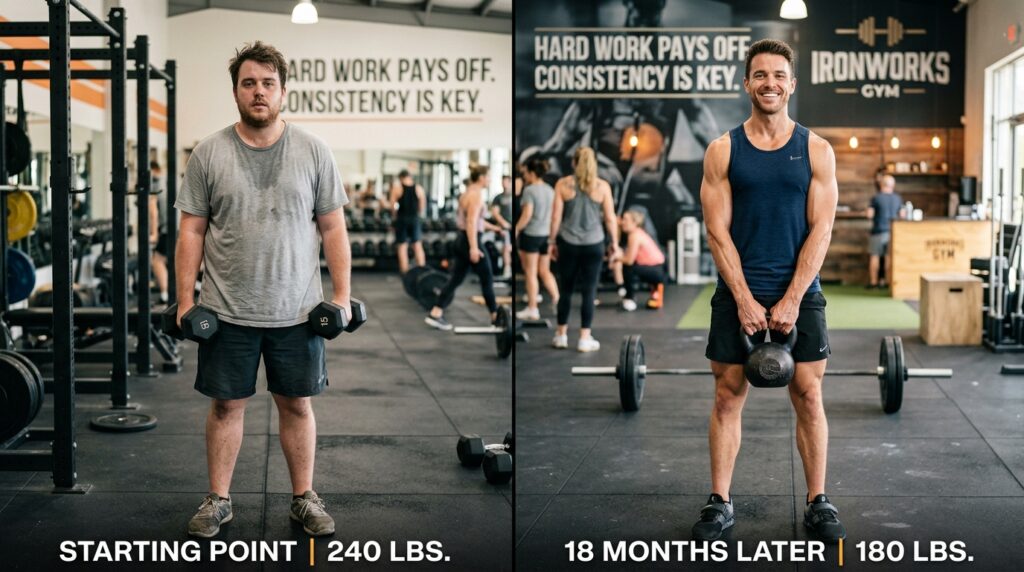
What You Will Learn in This Guide
By the end of this pillar post, you will understand the following:
- How weight loss actually happens in the body
- Why most diets fail
- How to create a calorie deficit without starving
- Best foods for fat loss
- Smart exercise strategies
- How to maintain weight permanently
WEIGHT LOSS FUNDAMENTALS
1. What is Weight Loss?
Weight loss simply means reducing total body weight.
But here is what most people get wrong:
Not all weight loss is fat loss.
Your body weight is made up of:
- Fat mass
- Muscle mass
- Water weight
- Glycogen stores
- Food weight in digestion
So when you “lose weight,” it may not always mean you are losing fat.
Healthy Weight Loss = Fat Loss + Muscle Preservation
The goal is not just to become lighter — the goal is to become leaner and healthier.
Why Weight Loss Matters
Healthy weight loss improves:
- Heart health
- Blood sugar control
- Energy levels
- Confidence
- Mobility and fitness
- Hormonal balance
Obesity is linked with major diseases like diabetes, hypertension, and heart issues, so weight loss is not just cosmetic; it is medical too.
2. The Science of Weight Loss (Calorie Deficit Explained)
Here is the golden rule of fat loss:
If you eat fewer calories than you burn, you lose weight.
This is called the
Calorie Deficit
Calorie Deficit=Calories Burned−Calories Eaten\text {Calorie Deficit} = \text {Calories Burned} – \text {Calories Eaten}
When your body does not get enough energy from food, it begins to use stored fat for energy.
That is how fat loss happens.
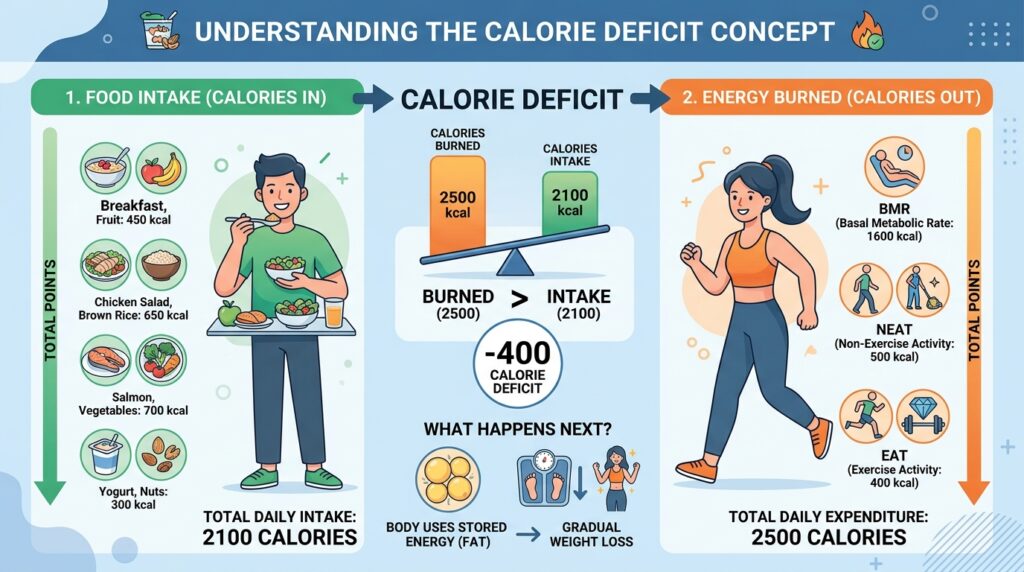
According to CDC guidelines, achieving sustainable weight loss is based on maintaining a calorie balance and making lifestyle changes.
CDC Weight Loss Guide
https://www.cdc.gov/healthyweight/losing_weight/index.html
Your body burns calories in 4 ways:
- BMR (Basal Metabolic Rate) – energy used at rest
- Physical activity – walking, workouts, movement
- Food digestion (TEF) – energy used to digest food
- NEAT – daily small movements
Important Truth
There is no magic food that burns fat.
Fat loss is always about the following:
- Energy balance
- Consistency
- Time
3. Why Most People Fail at Weight Loss
Most people don’t fail because of knowledge — they fail because of behavior.
Here are the real reasons:
1. Extreme Dieting
People cut too many calories too fast.
Result:
- Hunger
- Binge eating
- Low energy
2. Unrealistic Expectations
Expecting:
- “Lose 10kg in 7 days.”
This leads to disappointment and quitting.
3. No Consistency
They start strong but cannot maintain habits.
4. Emotional Eating
Stress → junk food → guilt → cycle repeats
5. No Structured Plan
Random workouts and random diets equal random results
Real Truth
Weight loss is not a 7-day challenge.
It is a lifestyle system.
4. Weight Loss vs Fat Loss (Critical Difference)
This is where most beginners get confused.
Weight Loss
Includes:
- Fat loss
- Water loss
- Muscle loss
Fat Loss
Focused only on:
- Reducing body fat
- Maintaining muscle
Example
Two people lose 5 kg:
- Person A → lost fat + muscle (weak body)
- Person B → lost fat only (lean body)
Same weight loss — different results.
Best Tracking Methods
Forget scale only. Use:
- Mirror
- Waist measurement
- Photos
- Strength levels
NUTRITION & DIET STRATEGY FOR WEIGHT LOSS
5. The Real Secret of Weight Loss Diet
There is no “perfect diet” for weight loss.
Every diet works only if it creates a calorie deficit.
That’s it.
Whether it is:
- Keto diet
- Low-carb diet
- Intermittent fasting
- High-protein diet
- Mediterranean diet
The result depends on calories, not the label.
Harvard Nutrition Source recommends focusing on whole foods, fiber-rich diets, and balanced nutrition.
https://www.hsph.harvard.edu/nutritionsource/healthy-weight
https://www.who.int/news-room/fact-sheets/detail/healthy-diet
The Real Goal of Dieting
Your diet should:
- Keep you full
- Maintain energy
- Provide nutrients
- Be sustainable long-term
If your diet is not sustainable, it will fail — even if it works in the short term.
6. Best Foods for Weight Loss (Science-Based List)
Weight loss foods are not “magic fat-burning foods.”
They are simply:
Low-calorie, high-satiety foods
Protein Foods (Most Important)
Protein is the most powerful nutrient for fat loss.
It helps:
- Reduce hunger
- Protect muscle
- Increase metabolism slightly
Best sources:
- Chicken breast
- Eggs
- Fish
- Greek yogurt
- Lentils
- Beans

High-Volume Foods (Low Calories)
These foods fill your stomach without adding many calories:
- Vegetables
- Salad
- Cucumber
- Broccoli
- Spinach
Healthy Carbs (Energy Source)
Carbs are NOT the enemy.
Best options:
- Rice (controlled portion)
- Oats
- Brown bread
- Potatoes
- Fruits
Healthy Fats
Fats are essential for hormones:
- Olive oil
- Nuts
- Avocados
- Seeds
Key Rule
You don’t need to remove foods
You need to control portions
7. Foods You Should Limit (Not Fully Ban)
Weight loss is about control, not restriction.
Limit these:
- Sugary drinks
- Fast food
- Fried items
- Processed snacks
- Excess sweets
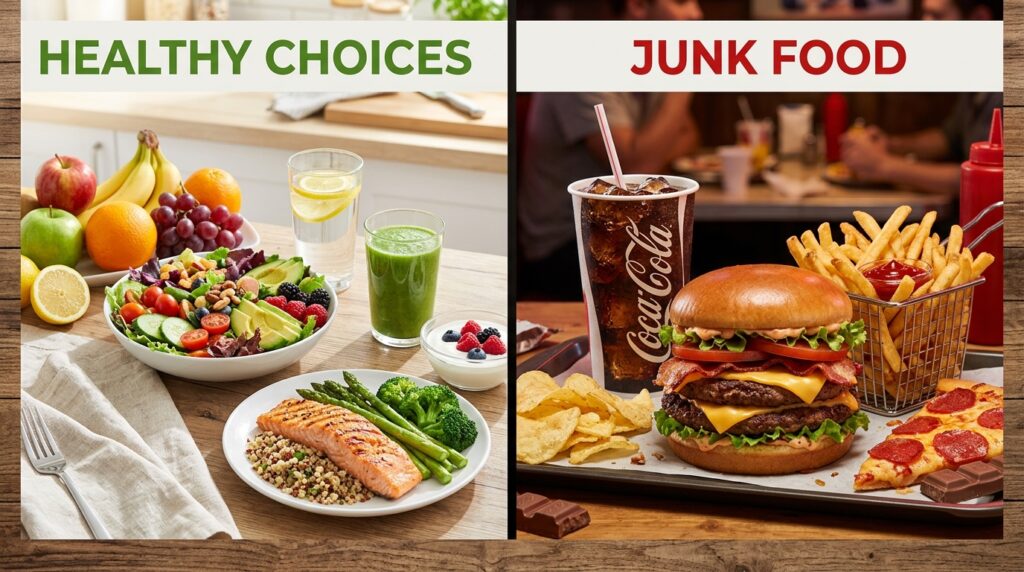
Why These Foods Are Problematic
They are:
- High in calories
- Low in nutrition
- Easy to overeat
Smart Swap Strategy
| Unhealthy | Better Option |
| Soda | Water / diet soda |
| Fries | Boiled potatoes |
| Chips | Nuts (small portion) |
| Ice cream | Yogurt + fruit |
8. How to Create a Weight Loss Meal Plan (Simple System)
Most people fail because they eat randomly.
A meal plan solves this.
Step 1: Set Calories
You must eat slightly below maintenance calories.
Step 2: Build Protein Base
Every meal should include protein.
Step 3: Add Fiber
Vegetables = fullness + low calories
Step 4: Control Portions
Even healthy food can cause weight gain if overeaten.
Sample Daily Plan
Breakfast:
- Eggs + oats + tea
Lunch:
- Chicken + rice + salad
Snack:
- Fruit + yogurt
Dinner:
- Fish + vegetables
Real-Life Example
A student reduced junk food + followed a simple meal structure → lost 8kg in 4 months without gym.
9. Intermittent Fasting (Is It Useful?)
Intermittent fasting is not a fat-loss magic tool.
It is just an eating schedule.
Common Methods:
- 16:8 (most popular)
- 14:10
- 12:12
How It Works
It helps because
- Reduces eating window
- Reduces snacking
- Naturally lowers calories
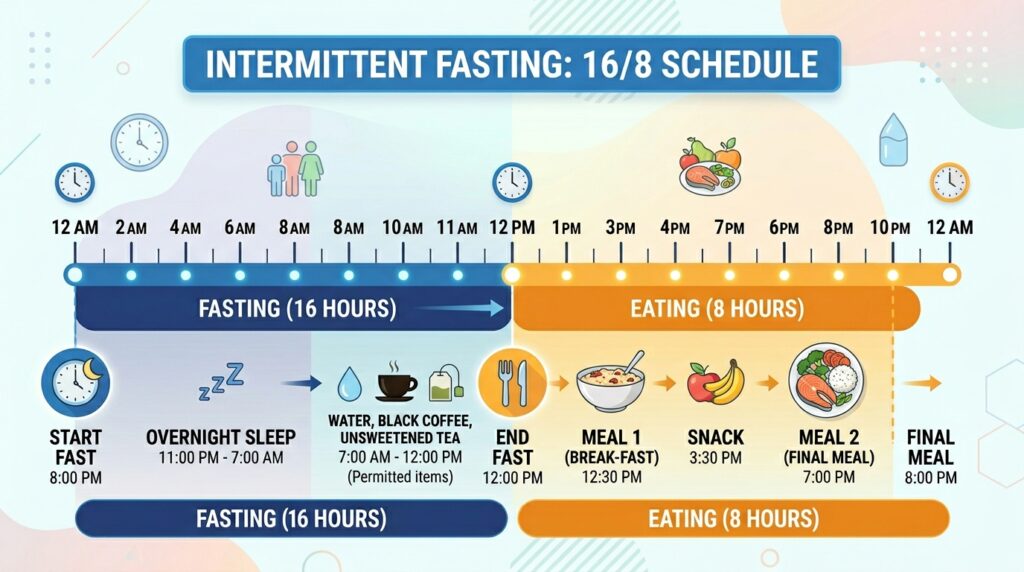
Truth
If you overeat in the eating window → no weight loss
Benefits
- Simple structure
- Fewer food decisions
- Helps some people control hunger
10. Metabolism & Weight Loss (Important Truth)
Many people blame “slow metabolism.”
But reality is
Metabolism is not broken — habits are the issue.
What Affects Metabolism:
- Muscle mass
- Daily activity
- Sleep quality
- Age
- Genetics (small role)
How to Improve Metabolism Naturally:
- Build muscle (strength training)
- Walk daily
- Eat enough protein
- Sleep 7–8 hours
Myth
Starving yourself does NOT boost metabolism.
It slows it down.
EXERCISE, LIFESTYLE & LONG-TERM SUCCESS
11. Best Exercises for Weight Loss (Science-Based Approach)
Exercise is not the fastest way to lose weight — but it is the best way to shape your body and maintain fat loss.
The real goal of exercise is
Burn calories
Build muscle
Improve metabolism
Improve overall health
Cardio (Fat Burning Base)
Cardio helps burn calories efficiently.

Best cardio exercises:
- Walking (most underrated)
- Running
- Cycling
- Swimming
- Jump rope
WHO recommends regular physical activity for maintaining a healthy body weight and reducing disease risk.
https://www.who.int/news-room/fact-sheets/detail/physical-activity
Important Truth
You don’t need extreme cardio.
30–60 minutes of walking daily is enough for most beginners.
Strength Training (Most Important)
Strength training is the real “fat loss game changer.”
It helps:
- Build lean muscle
- Increase resting metabolism
- Improve body shape
- Prevent loose skin
Best strength exercises:
- Squats
- Push-ups
- Lunges
- Deadlifts
- Dumbbell training
HIIT (High-Intensity Interval Training)
HIIT = short bursts of intense exercise + rest
Benefits:
- Time efficient
- Burns calories fast
- Improves fitness
Best Strategy
Combine cardio + strength training
Not just one type
12. Belly Fat Myth (Truth You Must Know)
Many people search:
“How to lose belly fat fast.”
But here is the truth:
You cannot target fat loss from one body part
This is called the
Spot Reduction Myth
How Fat Loss Actually Works
Your body decides where fat is lost first.
Usually:
- Face
- Arms
- Chest
- Belly (last for many people)
Real Solution
To lose belly fat:
- Overall calorie deficit
- Strength training
- Cardio
- Consistency
13. Lifestyle Habits That Control Weight Loss
Weight loss is NOT just diet and exercise.
It is a lifestyle system.
Sleep
Poor sleep = fat gain signal
Effects:
- Increased hunger
- Cravings
- Low energy
Target: 7–9 hours of sleep
Water Intake
Water helps:
- Reduce hunger
- Improve digestion
- Support metabolism
2–3 liters daily recommended
Stress Management
Stress leads to emotional eating.
Solutions:
- Walking
- Meditation
- Hobbies
- Deep breathing
REALISTIC CASE STUDIES
Case Study 1: Office Worker Fat Loss Transformation (Sarah – 32 Years Old)
Sarah was a 32-year-old office worker with a sedentary lifestyle. She weighed 78 kg and struggled with constant fatigue, emotional eating, and irregular meals.
Her Initial Mistakes:
- Skipping breakfast
- Eating fast food 4–5 times a week
- No exercise routine
- Sleeping late at night
She tried multiple crash diets but always regained weight.
What She Changed:
Instead of extreme dieting, she focused on:
- 500-calorie daily deficit
- 30-minute daily walks
- High-protein meals (eggs, chicken, yogurt)
- Reduced sugary drinks
- 7–8 hours of sleep
Results After 5 Months:
- Weight reduced: 78 kg → 66 kg
- Waist size reduced significantly
- Energy levels improved
- No crash dieting involved
Key Learning:
Sustainable habits beat extreme diets every time.
Case Study 2: Student Fat Loss Journey (Bilal – 21 Years Old)
Bilal was a university student who had a very irregular lifestyle. He frequently ate junk food and skipped meals during study stress.
He weighed 92 kg and felt low confidence and low stamina.
Problems:
- Late-night snacking
- Soft drinks daily
- No physical activity
- Irregular sleep schedule
Strategy He Followed:
- Replaced soft drinks with water
- Started home workouts 4x per week
- Walked 8,000–10,000 steps daily
- Simple meal structure (no strict dieting)
- Controlled portions instead of eliminating foods
Results After 4 Months:
- Weight reduced: 92 kg → 80 kg
- Better focus on studies
- Improved stamina
- Reduced belly fat
Key Learning:
Even students with busy schedules can lose weight with simple habits.
Case Study 3: Post-Pregnancy Weight Loss (Ayesha – 29 Years Old)
Ayesha gained significant weight after pregnancy and struggled to return to her normal fitness level. She weighed 85 kg and felt frustrated due to a lack of time.
Initial Challenges:
- Sleep deprivation
- Emotional eating
- No structured routine
- Lack of energy for workouts
What Worked for Her:
- Short 20-minute home workouts
- Light calorie deficit (not aggressive dieting)
- Balanced meals with protein + fiber
- Daily walking with a baby stroller
- Gradual lifestyle adjustment
Results After 6 Months:
- Weight reduced: 85 kg → 72 kg
- Improved mood and energy
- Better sleep quality
- Increased confidence
Key Learning:
Post-pregnancy fat loss requires patience, not extreme diets.
CASE STUDY INSIGHT (SEO BOOST SECTION)
Across all three cases, one pattern is clear:
Weight loss success is NOT about perfect diets
It is about consistent lifestyle changes
All individuals succeeded by:
- Creating a calorie deficit
- Staying consistent
- Avoiding extreme restrictions
- Building sustainable habits
14. Common Weight Loss Mistakes
Most people fail due to these mistakes:
Mistake 1: Extreme dieting
Leads to rebound weight gain
Mistake 2: No consistency
Random effort = random results
Mistake 3: Overtraining
More is not always better
Mistake 4: Ignoring calories
Even healthy food can cause weight gain
Mistake 5: Expecting fast results
Real change takes time
Golden Rule
Consistency beats intensity
15. How to Maintain Weight Loss (Most Important Phase)
Losing weight is easy compared to maintaining it.
Maintenance Strategy:
- Eat slightly higher calories (maintenance level)
- Continue exercise
- Stay active daily
- Avoid old bad habits returning
Key Truth
Most people regain weight because of the following:
They return to their old lifestyle
Long-Term Success Formula:
- 80% healthy eating
- 20% flexibility
- Daily movement
- Balanced mindset
FAQs
Can I lose weight without exercise?
Yes, but exercise improves results and body shape significantly.
How fast can I lose weight safely?
0.5–1 kg per week is safe and sustainable.
Is rice bad for weight loss?
No. Only excess calories cause weight gain.
Do I need supplements?
No, not necessary for fat loss.
What is the best diet?
The one you can follow consistently long-term.
Final Conclusion: The Real Truth About Weight Loss
Weight loss is often overcomplicated by diets, fitness trends, and social media myths. But in reality, it is one of the simplest biological processes:
If you eat less than you burn, you lose weight.
However, simplicity does not mean easy.
The real challenge is not knowledge — it is consistency.
Most people fail because they try the following:
- Extreme diets cannot be maintained
- Fast results instead of slow progress
- Random workouts without structure
- Temporary motivation instead of habits
But successful weight loss is built differently.
What Actually Works
If you want long-term fat loss, you must focus on:
1. Calorie Control
Without calorie awareness, fat loss becomes random.
2. Sustainable Eating
Not a perfect diet, but a consistent diet.
3. Daily Movement
Even simple walking makes a big difference.
4. Strength Training
Helps you keep muscle and improve body shape.
5. Sleep & Recovery
Poor sleep can slow fat loss dramatically.
6. Patience
Real transformation takes time — not days.

Important Reality Check
There is no
- Magic fat-burning food
- Shortcut pill
- Secret workout
- Overnight transformation
The fitness industry often sells hope, but real results come from boring consistency.
Final Message
If you can understand this one truth, your entire fitness journey changes:
“Small daily actions done consistently beat extreme actions done occasionally.”
You don’t need to be perfect.
You need to be consistent.
Even if progress is slow, it is still progress — and that progress compounds over time.
Long-Term Success Formula
- 80% discipline
- 20% flexibility
- Daily movement
- Balanced nutrition
- No quitting mindset
You May Also Like
15 Powerful Fat Loss Tips for Men Over 40 That Actually Work
Fat Loss vs Weight Loss: Ultimate Science-Based Guide (2026)
Fat Loss for Women Over 30: 15 Science-Based Ways to Burn Fat Fast