Discover the best fruits for weight loss, fat-burning benefits, diet tips, myths, and a weekly plan to support healthy eating and calorie deficits.
1. Introduction to Weight Loss Challenges
Weight loss is not simply about eating less—it’s about eating smart. Many beginners focus solely on cutting calories, often ignoring the nutritional value of their food. This approach can lead to fatigue, frequent cravings, and eventually, diet failure.
To achieve sustainable fat loss, you need a combination of the following:
- A proper calorie deficit, where you burn more calories than you consume
- Balanced macronutrients: proteins, carbs, and fats in the right ratio
- Inclusion of fiber-rich foods, which keep you full for longer
- Consistent healthy eating habits that you can maintain long-term
Fruits are an essential part of this strategy because they provide nutrients, fiber, and hydration without adding excessive calories. Incorporating fruits in your daily diet can help reduce unhealthy snacking, improve digestion, and accelerate fat loss naturally.
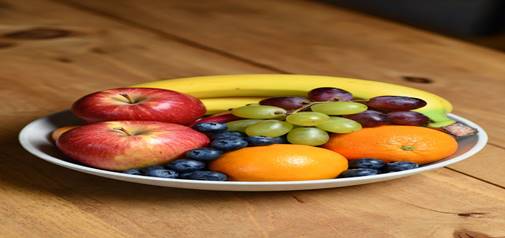
A vibrant, high-resolution image of mixed fresh fruits in a bowl representing healthy eating and nutrition.
2. Why Fruits Help in Weight Loss
Fruits are naturally low in calories, high in essential nutrients, and packed with fiber and antioxidants, making them perfect for anyone trying to lose weight. They support weight management in multiple ways:
Key Benefits of Fruits
- Low-calorie density: You can eat satisfying portions without consuming too many calories
- High fiber content: Fiber slows digestion and keeps you feeling full, preventing overeating
- Natural sugars: Satisfy your sweet cravings in a healthy way without resorting to processed sugar
- Rich in vitamins & antioxidants: Improve metabolism, immune function, and overall health
- Hydration support: Fruits like watermelon and oranges have high water content, helping maintain hydration
Studies indicate that diets rich in fruits and vegetables are associated with lower body weight and a reduced risk of obesity. Harvard Health highlights that adding fruits to your meals helps control hunger and supports healthy weight loss.
3. Nutritional Science Behind Fruits and Fat Loss
Fruits contribute to weight loss through several biological mechanisms. Understanding how they affect your body can help you make smarter dietary choices.
1. Fiber and Satiety
Fiber slows down digestion and promotes a feeling of fullness, which reduces the likelihood of snacking between meals. For example, eating an apple before lunch can curb your appetite and prevent overeating.
2. Calorie Deficit Support
Since most fruits are low in calories but high in volume, you can eat satisfying portions while still maintaining a calorie deficit, which is essential for fat loss.
3. Blood Sugar Regulation
Fruits with a low glycemic index, such as berries and apples, help prevent sudden spikes in insulin. This reduces fat storage and stabilizes energy levels throughout the day.
4. Metabolism Boost
Certain fruits contain compounds that enhance metabolic activity. Citrus fruits, berries, and green apples, for example, are known to improve digestion and support fat-burning processes.
The Mayo Clinic emphasizes that fiber-rich foods like fruits are essential not only for weight control but also for digestive health, as they help regulate bowel movements and reduce bloating.
4. Top 10 Best Fruits for Weight Loss
Including these best fruits for weight loss in your daily diet can accelerate fat loss and improve energy.
1. Apples
- High in fiber (pectin)
- Low in calories
- Helps control appetite
2. Berries (Strawberries, Blueberries, Raspberries)
- Rich in antioxidants
- Low sugar compared to other fruits
- Improve metabolism
3. Bananas

- Provide energy
- Contains resistant starch (helps fat loss)
- Great pre-workout snack
4. Grapefruit

- Known for fat-burning properties
- Helps reduce insulin levels
5. Oranges

- High vitamin C
- Boost immunity and fat metabolism
6. Watermelon
- High water content
- Very low in calories
- Keeps you hydrated and full
7. Papaya
- Aids digestion
- Contains enzymes like papain
8. Kiwi
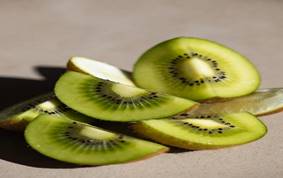
- High in fiber and vitamin C
- Supports digestion
9. Pears

- High fiber content
- Helps control hunger
10. Avocado
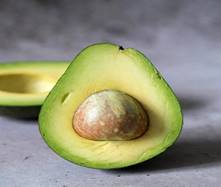
- Healthy fats
- Promotes satiety
- Supports metabolism
5. Comparison Table of Fruits for Fat Loss
| Fruit | Calories (per 100g) | Fiber (g) | Weight Loss Benefit |
| Apple | 52 | 2.4 | Appetite control |
| Berries | 30–50 | 3–6 | High antioxidants |
| Banana | 89 | 2.6 | Energy + satiety |
| Grapefruit | 42 | 1.6 | Fat metabolism |
| Watermelon | 30 | 0.4 | Hydration |
| Pear | 57 | 3.1 | Hunger control |
| Avocado | 160 | 6.7 | Healthy fats |
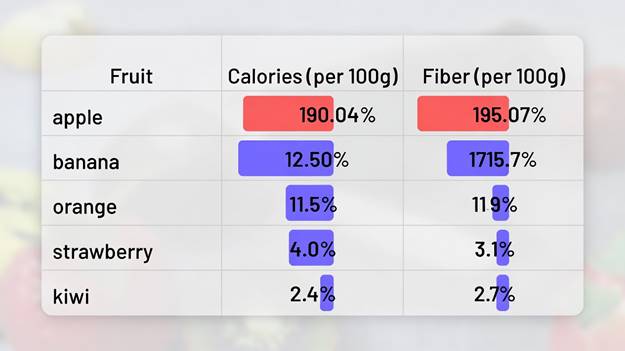
This table helps you quickly compare the calorie and fiber content of different fruits for better weight loss planning.
6. How to Include Best Fruits for Weight Loss in Your Diet
Fruits can be included in every meal to boost nutrition and support fat loss. Here’s a practical guide:
Morning:
- Apple with oatmeal
- Banana smoothie
Midday:
- Fruit salad with low-fat yogurt
- Orange or guava as a snack
Pre/Post Workout:
- Banana or berries for energy and recovery
Evening:
- Light fruit bowl instead of sugary snacks
Tips:
- Replace junk snacks with fruits
- Add fruits to breakfast cereals or smoothies
- Use fruits as natural desserts instead of sugar-laden options
7. Best Time to Eat Fruits for Weight Loss Effectively
Timing can enhance the effectiveness of fruit consumption:
Ideal Times:
- Morning on an empty stomach
- Before workouts for energy
- Between meals as snacks
Avoid:
- Eating large fruit meals immediately after heavy meals
- Overeating fruits at night
Moderation is key, but you can still enjoy fruits at night as long as total daily calories are controlled.
8. Myths vs Facts About Fruits and Weight Gain
Myth 1: Fruits cause weight gain
Fact: Weight gain occurs due to calorie surplus, not fruit consumption.
Myth 2: Fruits should not be eaten at night
Fact: Timing matters less than total daily calorie intake.
Myth 3: Fruit sugar is harmful
Fact: Natural sugars come with fiber, vitamins, and antioxidants, making them healthy when consumed in moderation.
9. Common Mistakes People Make
Many beginners make predictable errors when relying on fruits for weight loss:
- Eating excessive amounts of fruit without monitoring calories
- Drinking fruit juices instead of eating whole fruits
- Adding sugar, syrups, or toppings to fruits
- Relying solely on fruits without a balanced diet
- Ignoring protein and healthy fats
Balance is essential. Fruits are a tool, not a complete solution.
10. Sample Weekly Fruit-Based Diet Plan
Day 1–3:
- Breakfast: Banana + oats
- Snack: Apple
- Lunch: Grilled chicken + salad + orange
- Dinner: Light meal + berries
Day 4–7:
- Breakfast: Smoothie (berries + yogurt)
- Snack: Pear or guava
- Lunch: Balanced meal + fruit side
- Dinner: Vegetable-based meal + small fruit portion
Let’s take it one step further—combine fruits with protein and fiber for optimal results.
11. Safety Considerations
Even healthy foods can be misused. Follow these safety tips:
- Avoid excessive fruit consumption
- Diabetics should monitor their fruit sugar intake
- Prefer whole fruits over juices for fiber and fullness
- Wash fruits thoroughly to remove pesticides
- Balance fruit intake with protein and healthy fats
WHO recommends a diet rich in fruits and vegetables for preventing chronic diseases and maintaining long-term health.
EXTERNAL LINKS
Harvard Health: https://www.health.harvard.edu
Mayo Clinic – Fiber & weight loss: https://www.mayoclinic.org/healthy-lifestyle/weight-loss
WHO – Healthy diet guide: https://www.who.int/news-room/fact-sheets/detail/healthy-diet
12. FAQs (People Also Ask)
Q1: Which fruits are best for fat loss?
A1: Apples, berries, grapefruit, and guava are excellent choices due to low calories and high fiber.
Q2: Can I eat fruits at night for weight loss?
A2: Yes, but it should be consumed in moderation, considering the total daily calorie intake.
Q3: How much fruit should I eat per day?
A3: 2–4 servings depending on calorie needs.
Q4: Does fruit sugar cause weight gain?
A4: No, natural sugar in fruits does not cause weight gain when consumed in a balanced diet.
Q5: Are fruit juices beneficial for weight loss?
A5: Whole fruits are better because they contain fiber and keep you fuller.
13. Conclusion: Mastering Weight Loss with the Best Fruits for Fat Loss
Fruits are undeniably one of the most powerful natural tools you can use for weight loss when incorporated thoughtfully into your diet. They are not just low in calories but are also packed with essential vitamins, minerals, fiber, and antioxidants that support metabolism, improve digestion, and help maintain overall health. Unlike processed snacks or sugary treats, fruits provide natural sweetness that satisfies cravings without adding empty calories. This makes them ideal for anyone looking to create a sustainable calorie deficit while still enjoying flavorful and nutritious foods.
However, it is important to understand that fruits alone will not magically make you lose weight. Successful fat loss requires a combination of smart eating, consistent physical activity, and lifestyle habits that support your goals. For instance, including a variety of fruits—like apples, berries, grapefruit, and kiwi—ensures you get a range of nutrients and fibers that keep you fuller for longer, reduce overeating, and prevent spikes in blood sugar levels. Pairing fruits with protein-rich foods like yogurt, eggs, or lean meats can further enhance satiety and support lean muscle retention, which is critical for maintaining a healthy metabolism during weight loss.
Consistency is key. Incorporating the best fruits for weight loss into your daily meals should be part of a structured approach. Start your day with a fruit-rich breakfast, such as a banana with oatmeal or a smoothie with berries. Use fruits as mid-morning or afternoon snacks to curb unhealthy cravings. Even simple choices like swapping desserts with a small fruit bowl or adding slices of fruit to salads can make a significant difference over time. Over weeks and months, these small but consistent changes will create a sustainable calorie deficit, which is the foundation of long-term fat loss.
Moreover, fruits also contribute to improved energy and digestive health. Many fruits, like watermelon and oranges, have high water content that keeps you hydrated, while others, like papaya and kiwi, support digestion through natural enzymes and fiber. This not only helps in weight management but also promotes a sense of wellbeing and vitality, which encourages you to stay consistent with your healthy lifestyle.
Another essential aspect of using fruits effectively for weight loss is understanding portion control and timing. While fruits are healthy, consuming excessive amounts or pairing them with high-calorie foods can slow your progress. Ideally, enjoy fruits as standalone snacks or as part of balanced meals and focus on moderation. Morning or pre-workout consumption of fruits can be especially effective, as they provide energy for your day or exercise session without causing fat accumulation.
In conclusion, fruits are far more than just tasty snacks—they are nutritional powerhouses that can support fat loss, boost metabolism, aid digestion, and improve overall health when used strategically. The combination of variety, proper timing, portion control, and pairing with other macronutrients ensures that you are not only losing weight but also creating a healthier lifestyle. Remember, weight loss is a marathon, not a sprint, and the consistent inclusion of the best fruits for weight loss in your daily routine can make the journey enjoyable, effective, and sustainable. By embracing fruits as part of a balanced diet, you are investing in long-term health, energy, and vitality that will benefit your body far beyond just shedding pounds.
Pingback: Walking for Weight Loss: 7 Proven Ways It Burns Fat Fast
Pingback: Fat Loss vs Weight Loss: Ultimate Science-Based Guide (2026)